The world of memorial jewelry has long been associated with traditional materials like black onyx, jet, or dark pearls. Yet a quiet revolution is occurring in this deeply personal sector as jewelers and grieving clients alike discover the profound beauty and symbolic resonance of dark spinel. This once-overlooked gemstone is emerging as a sophisticated alternative for mourning pieces, offering unexpected depth, durability, and contemporary elegance to commemorative designs.
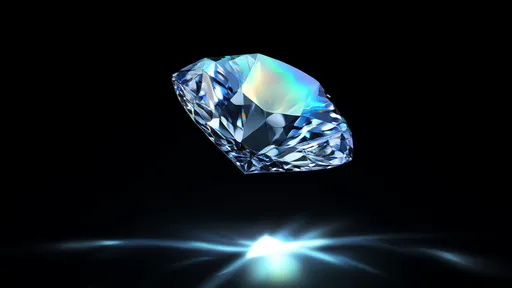
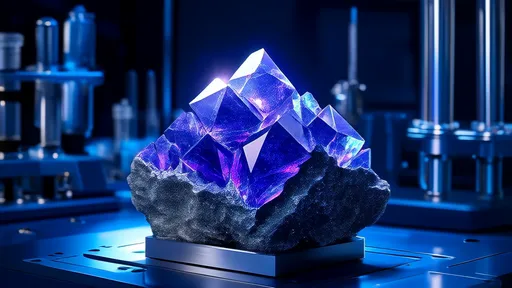
Unlike the flat darkness of conventional mourning stones, fine spinel possesses an almost liquid quality to its coloration. The finest specimens used in memorial work aren't merely black, but reveal hidden dimensions - whispers of midnight blue, forest green, or burgundy that surface under certain lights. This chromatic complexity makes each piece uniquely responsive to its environment, much like the shifting nature of grief itself. Master jewelers are exploiting this characteristic by cutting spinel in antique styles that maximize its play of light, creating pieces that seem to breathe with the wearer.
The historical precedent for spinel in mourning contexts is more established than many realize. Victorian jewelers occasionally used the stone in "hair work" memorial pieces, valuing its ability to complement woven locks without overwhelming them. What was once an accidental choice has now become intentional, with contemporary designers drawing explicit connections between spinel's properties and the mourning process. Its exceptional hardness (8 on the Mohs scale) makes it resistant to scratches and chips - a poignant metaphor for resilience. Unlike softer jet which can degrade over time, spinel memorial pieces become heirlooms that withstand generations of wear.
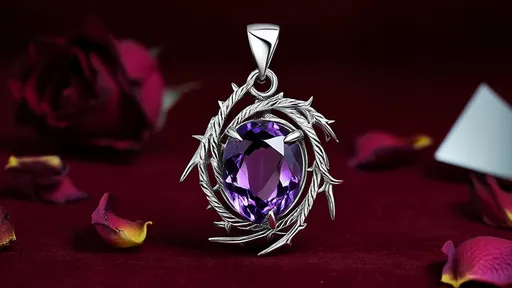
Modern memorial spinel jewelry ranges from traditional signet rings with discreet symbolism to avant-garde pendants that challenge conventional mourning aesthetics. One London atelier has pioneered a technique of setting spinel in oxidized silver with tiny diamond accents representing stars in a night sky, creating celestial maps based on the date of a loved one's passing. Another designer in New York works exclusively with unheated, untreated spinel sourced from specific mines, arguing that the stone's natural imperfections mirror the authentic experience of loss without artificial enhancement.
What makes dark spinel particularly compelling for contemporary mourners is its psychological versatility. Where traditional black mourning jewelry could feel stark or funereal, spinel's subtle color variations allow it to transition seamlessly from memorial object to everyday wear. This reflects modern attitudes toward grief that reject rigid Victorian-era mourning protocols in favor of more personalized, continuous relationships with loss. A spinel ring might serve as a tangible connection to a departed loved one while still complementing professional attire or evening wear.
The sourcing of memorial spinel has sparked important conversations about ethical considerations in grief jewelry. Leading designers are partnering with gemologists to trace stones back to responsible mines, often providing clients with detailed provenance information. Some workshops offer to incorporate small amounts of cremation ashes or hair into the setting itself, creating hybrid pieces that blend traditional memento mori elements with spinel's contemporary appeal. This attention to ethical and personal details reflects the growing demand for mourning jewelry that aligns with individual values as well as aesthetic preferences.
As memorial practices continue evolving in the digital age, physical objects like spinel jewelry gain new significance. They serve as tactile anchors in an increasingly virtual world - private, portable monuments that don't require public display. The very weight of a spinel pendant around the neck or the cool smoothness of a ring against skin becomes part of the memorial experience, offering comfort through physical presence. This may explain why younger generations, particularly those who have experienced sudden losses, are embracing spinel memorial pieces as alternatives to traditional urns or framed photos.
Looking forward, the application of dark spinel in memorial jewelry shows no signs of being a passing trend. Gem cutters are developing new faceting patterns specifically to enhance the stone's unique properties in mourning contexts, while jewelry historians are rediscovering its overlooked role in 19th century bereavement practices. What began as a niche preference among design-conscious mourners has blossomed into a significant movement within the memorial jewelry field - one that honors grief's darkness while still finding beauty, complexity, and ultimately, light within it.

By /Aug 19, 2025
By /Aug 19, 2025
By /Aug 19, 2025
By /Aug 19, 2025

By /Aug 19, 2025

By /Aug 19, 2025

By /Aug 19, 2025
By /Aug 19, 2025

By /Aug 19, 2025
By /Aug 19, 2025

By /Aug 19, 2025
By /Aug 19, 2025

By /Aug 19, 2025

By /Aug 19, 2025
By /Aug 19, 2025

By /Aug 19, 2025
By /Aug 19, 2025
By /Aug 19, 2025

By /Aug 19, 2025
By /Aug 19, 2025
