The pixelated runway has begun casting shadows far beyond the screen. What started as a simple cosmetic layer in video games—a ‘skin’ to customize a character—has quietly evolved into a potent cultural force, subtly shaping the fabric of real-world fashion and the very concept of personal identity. This is not merely about gamers wearing branded hoodies; it is a complex, bidirectional flow of aesthetics, values, and self-expression between the digital and the physical self.
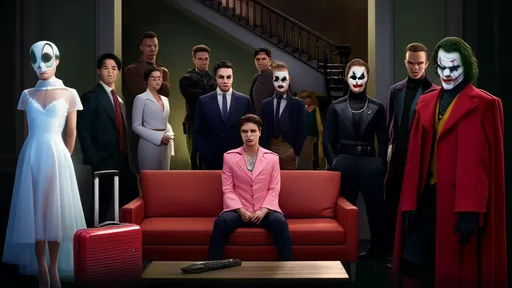
The allure of the game skin is rooted in a powerful trifecta: exclusivity, identity, and artistry. A rare skin, perhaps earned through a limited-time event or a formidable challenge, is more than a palette swap; it is a digital trophy, a badge of honor that communicates skill, dedication, and status within a community. This virtual scarcity creates immense perceived value, mirroring the dynamics of luxury fashion drops and limited-edition sneakers. For the player, equipping a skin is an act of identity construction. In a world unbound by physical limitations, one can be a neon-drenched cyber-ninja one match and a historically accurate medieval knight the next. This fluidity allows for a pure exploration of aesthetic preference and persona, untethered from the constraints of body type, budget, or climate.
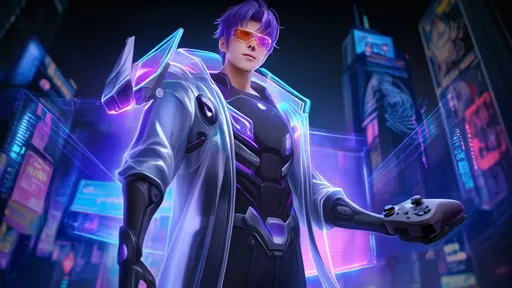
This digital playground of identity has become a testing ground for trends that eventually bleed into mainstream style. Game developers and character artists are the unsung fashion designers of the digital age. They create silhouettes, color palettes, and material textures that are inherently aspirational and iconic. The sleek, armored plating of a sci-fi warrior, the flowing, ethereal robes of a fantasy mage, or the gritty, utilitarian tactical gear of a survivalist—these are not just game assets; they are full-fledged collections. Players spend hours, even days, interacting with these designs, developing a deep, intimate familiarity and appreciation for their visual language. This prolonged exposure normalizes and popularizes these aesthetics, making them ripe for adoption in the physical world.
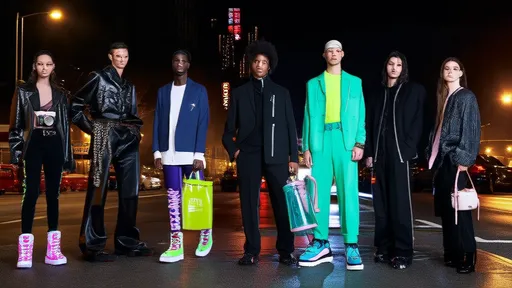
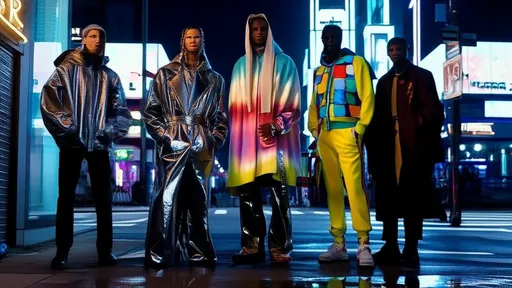
The influence manifests in two primary ways: direct inspiration and abstract ethos. We see the direct translation in the rise of ‘techwear.’ This style, characterized by modular straps, oversized pockets, muted color schemes, and functional fabrics like Gore-Tex, draws a direct line from the wardrobes of characters in games like Deus Ex, Cyberpunk 2077, and Call of Duty. It’s apparel designed for a dystopian urban landscape that gamers have already navigated virtually. Similarly, the popularity of streetwear brands collaborating with game franchises—like Louis Vuitton with League of Legends or Nike with Fortnite—legitimizes game aesthetics as high fashion, creating wearable trophies that bridge the community gap.
More subtly, the abstract ethos of gaming—customization, individuality, and a defiance of traditional norms—has permeated fashion attitudes. The generation that grew up crafting a unique digital avatar now demands the same level of control and personalization over their physical wardrobe. They are less loyal to a single ‘style’ and more inclined toward digital-esque ‘loadouts,’ assembling outfits based on mood, occasion, or desired personal narrative. This has fueled the ‘thrift flip’ trend, the rise of customization platforms, and a greater acceptance of bold, unconventional fashion choices. The line between ‘costume’ and ‘clothing’ is blurring, much like the line between a player and their in-game character.
The impact goes beyond mere clothing; it is reshaping the architecture of the fashion industry itself. Designers now look to popular games for inspiration, recognizing them as hubs of cultural relevance. Virtual fashion shows within platforms like Roblox or Fortnite attract millions of viewers, offering brands an entirely new and engaged demographic. Furthermore, the concept of the ‘skin’ is being inverted. Digital-only fashion items, wearable by your online avatar but not by you, are becoming valuable commodities. This challenges the very definition of ownership and wearability, proposing a future where a significant part of our identity and wardrobe exists purely in the cloud.
This digital-physical fusion points toward a future where the two realms are inextricably linked. Augmented Reality (AR) is poised to be the next great canvas. Imagine pointing your phone at a store window and seeing digital skins overlaid on the physical garments inside, or wearing a simple white t-shirt that can display any digital design you own through AR projection. Our physical bodies could become avatars in the real world, with our digital skin collections serving as an infinite, changeable wardrobe. Identity becomes a hybrid experience, curated from both a physical closet and a digital locker.
The journey of the game skin from a simple customization tool to a driver of global fashion trends is a testament to the growing power of digital culture. It demonstrates that identity in the 21st century is not a choice between the physical and the digital but a synthesis of both. The values honed in virtual worlds—self-expression, customization, and community—are now being woven into the very threads of what we wear. The avatar is not a separate entity; it is a part of us, and its style is finally stepping out into the light.
By /Aug 21, 2025

By /Aug 21, 2025
By /Aug 21, 2025
By /Aug 21, 2025

By /Aug 21, 2025
By /Aug 21, 2025

By /Aug 21, 2025

By /Aug 21, 2025

By /Aug 21, 2025
By /Aug 21, 2025

By /Aug 21, 2025

By /Aug 21, 2025

By /Aug 21, 2025

By /Aug 21, 2025

By /Aug 21, 2025
By /Aug 21, 2025

By /Aug 21, 2025

By /Aug 21, 2025
By /Aug 21, 2025

By /Aug 21, 2025
